Resistance Training with your Physiotherapist?
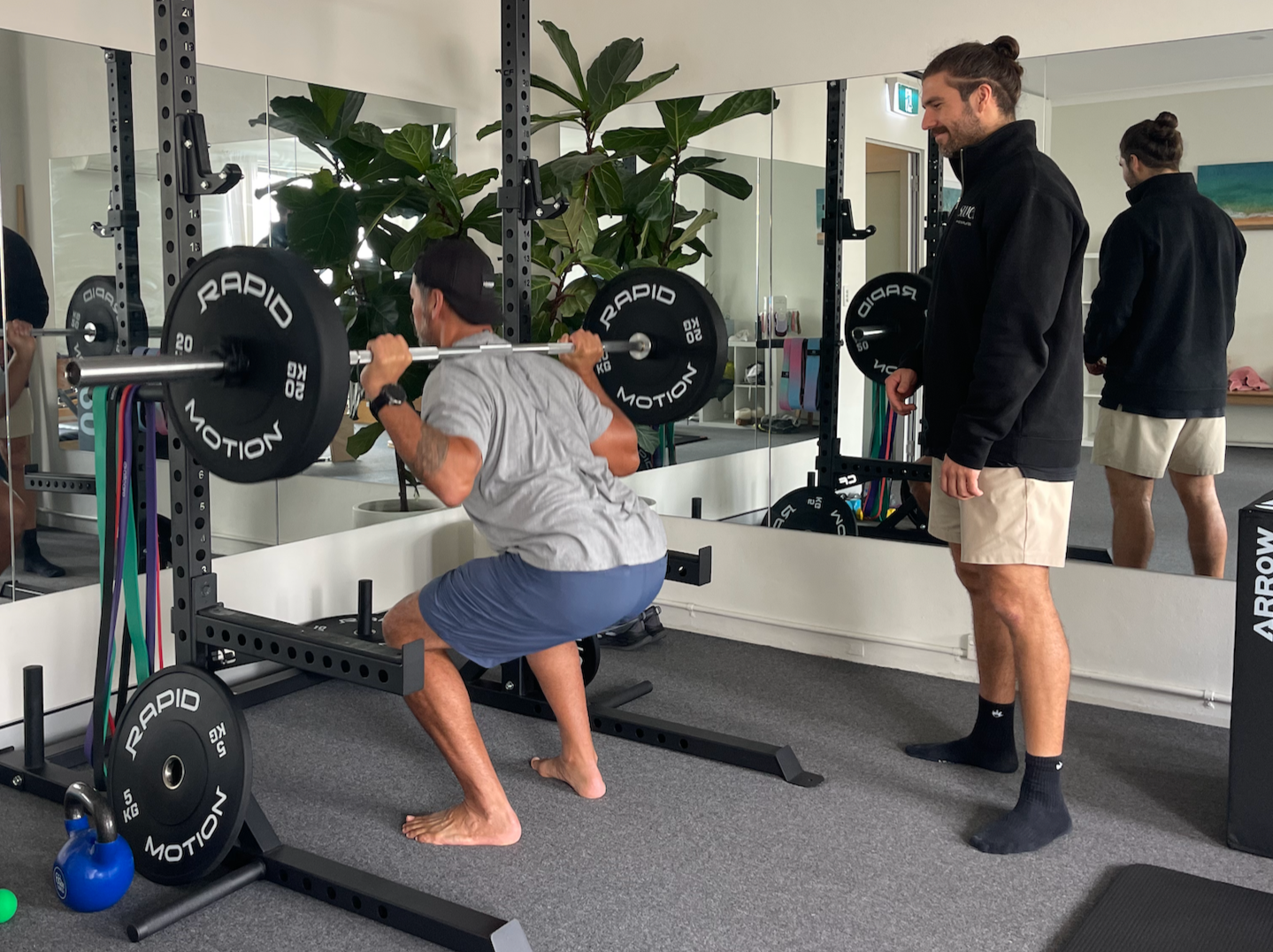
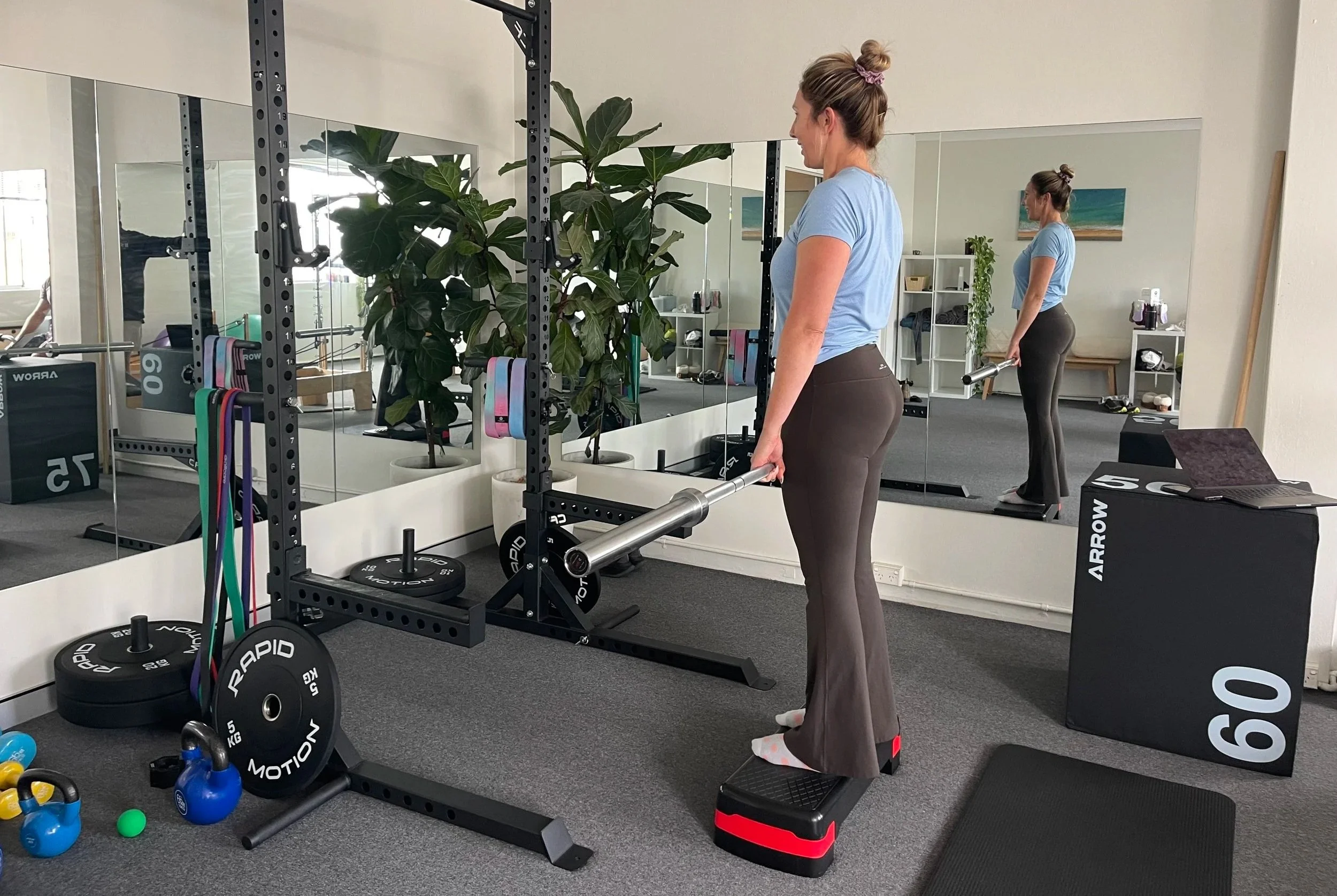
Swell is excited to share the newest addition to the clinic - a squat rack!
Weekend warrior? Gym lover? Athlete at heart?
For many active people recovering from injury, or even sometimes just the thought of injury can feel challenging and overwhelming. Squat racks are a rehab-friendly, safe and effective tool our physiotherapists are experienced in using to help you recover from injury, build strength, resilience and improve overall performance.
Are squat racks really safe for use during injury rehabilitation?
Using heavy equipment can feel intimidating when you are recovering from an injury - but here are some reasons why resistance training may be the right fit for your rehabilitation:
Improve Tissue Capacity - strength training restores the body’s ability to tolerate loads required for your sport or activity.
Speed & Power - improving speed and power increases your ability to perform high intensity exercise.
Active and Engaging - we all need to progress beyond a yellow or red theraband!
Variable Resistance - we now have the capacity to use anything from 1kg to 90kg!
Adjustable Range of Motion (ROM) - barbell hooks and safety arms allow limited ROM, crucial during early-stage recovery when full ROM is not appropriate.
Still unsure whether resistance training is appropriate for injury prevention or rehabilitation? Here’s the science under why the squat rack can support your return to activity!
Two Ways Squat Rack Training Can Help with Injury Rehabilitation and Prevention:
1. Restoration of Strength
After injury, muscles, tendons, ligaments and cartilage can become weaker and even decrease in size - usually as a result of pain, reduced activity or protective movement patterns.
Resistance training can help restore strength throughout your whole body through:
Muscle Growth (Hypertrophy) - stimulating protein synthesis to rebuild torn or weakened fibres.
Increased Collagen Production- mechanical loading triggers collagen synthesis, leading to stronger ligaments and tendons.
Increased Tissue Stiffness - Heavy resistance can increase tendon stiffness, aiding efficient force transmission from muscles to bones.
Strengthen cartilage - compressive forces pump synovial fluid through joint tissue, nourishing joint tissue and building stronger cartilage.
Stimulating Neural Pathways - Improving motor unit recruitment that enhances coordination and movement efficiency.
2. Reducing Risk of Re-Injury
Returning to activity too early without restoring strength will increase the likelihood of re-injury. Resistance can help mitigate this risk through:
Preparation for Sports/Exercise Demands - gradual exposure of muscles, tendons, joints and the nervous system to increasing levels of load and activity.
Addressing Muscular Imbalances - targeting weaker and opposing muscle groups or compensatory movement patterns may correct imbalances that over-stress joints.
Restoring Neuromuscular Control - controlled movements work to enhance joint stabilisation and coordination reducing movement errors.
Restoring Confidence with Movement - gradual strength training can help rebuild confidence in the injured area, reducing fear of movement and increasing readiness for activity.
IF YOU HAVE AN INJURY THAT REQUIRES STRENGTH-BASED REHABILITATION OR ARE LOOKING TO PREVENT FUTURE INJURIES CONTACT US TO BOOK AN APPOINTMENT WITH OUR EXPERIENCED PHYSIOTHERAPISTS!