

Is Sitting Really That Bad?
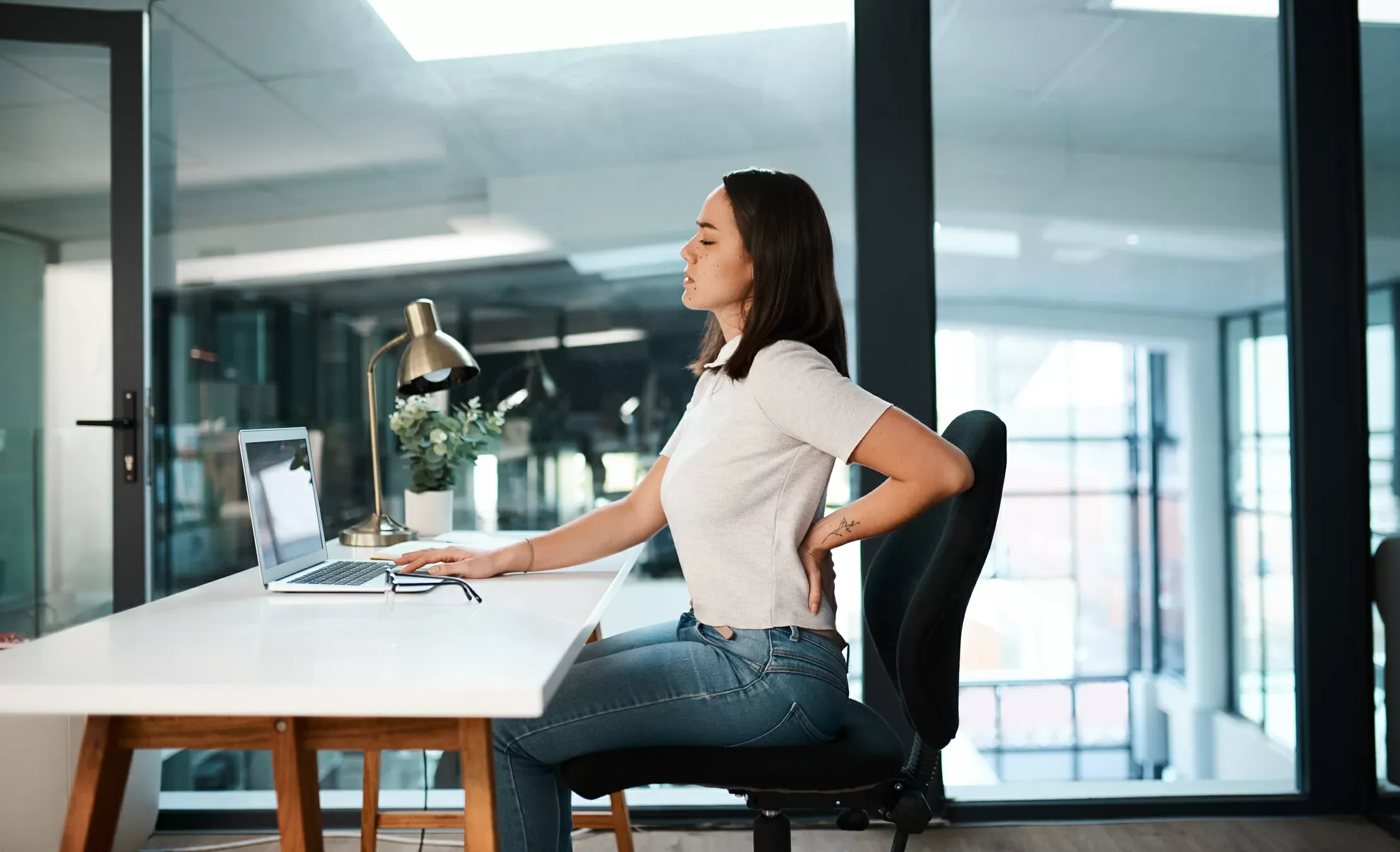
Do you work all day at a desk, spend hours driving and commuting only to relax on the couch after a long day? For many people it feels like sitting is something we cannot avoid.
But is sitting really that bad for us? And what can we do to offset the large amounts of sitting associated with modern life?
The impacts of sitting are far more nuanced than we think!
Sitting itself isn’t inherently harmful for our bodies, rest and recovery is just as important as movement! The problem starts to occur when we spend the majority of our day sitting, without the balance of regular movement and exercise.
So what does research actually say about sitting for long periods, and how much movement do we actually need? What do we need to do if our jobs require us to sit all day?
What Problems Does Sitting Present?
Prolonged sitting and sedentary behaviour can have a physiological and psychological effect on your body. Here are some of the impacts sitting can have:
Circulatory System - blood pooling due to poor circulation can lead to swelling, and reduced blood flow can alter blood vessel function.
Metabolism - extended periods of sitting can slow fat breakdown and metabolic rate, also impacting blood sugar regulation associated with diabetes risk.
Mood - increases feelings of anxiety, depression, stress and low mood from systemic inflammation altering brain chemistry.
Energy - triggers mental and physical fatigue by reducing blood flow and oxygen to the brain.
Does Sitting Cause Pain?
For some people sitting can cause pain, whilst others can sit for hours without discomfort. This suggests the relationship is more complex than sitting = pain.
Prolonged sitting may be associated with back pain due to spinal compression, muscular tension or prolonged static postures. However, back and neck pain are complex issues and can also be influenced by multiple factors including:
Stress
Age
Sleep Quality
Physical Activity Levels
Overall Fitness
Previous Injuries
General Health
Lifestyle Factors
So whilst staying in one position for too long can leave you feeling stiff, it is rarely the sole cause of pain.
Can You Offset Sitting with Exercises?
If you work at a desk, don’t panic. You won’t need a treadmill desk or hourly workout session to stay healthy.
Here are some simple practical strategies to include throughout your day:
Take Regular Movement Breaks - aim to stand up every 30-60 minutes, a short walk to grab water or a few minutes of stretching can help break up long periods of sitting. A standing desk is fantastic to give you the ability to stand for some of your day, and sit for some.
Walk Around When You Can - take phone calls whilst walking, park further away or take a walk during your lunch break.
Regular Strength Training - resistance training improves your tissues ability to compress and strength, better preparing you for sustained postures.
Exercise Before or After Work - a daily walk, gym session, pilates class or sport can go a long way towards balancing a sedentary work day.
What matters most is the amount of movement and exercise you accumulate throughout the day or week, rather than the amount of sitting.
How Much Exercise is Recommended?
One of the biggest misconceptions is that we need to be constantly active to counteract the impacts of sitting. But you don’t need to train for a marathon or force yourself to the gym at 5:00am to balance your seated workday.
The good news? Current research shows adults should aim for:
150-300 minutes of moderate-intensity exercise per week
At least 2 days of strength training per week (this includes pilates!)
This could look like a 30-minute walk in the mornings, combined with a few 30-minute strength sessions a few evenings per week.
Would More Core Strength Help?
Many people are told they have back pain because they have a ‘weak core’.
Another common misconception - research shows people with back pain do not necessarily have a weaker core than people without back pain.
When it comes to sitting, core strength is even less important. Sitting is not a challenging task that requires impressive strength.
A strong core helps to stabilize your spine during movement and becomes more important during heavy lifting, certain exercises, and sports.
Simply having a stronger core does not automatically prevent back pain during sitting. General strength, activity levels and overall fitness are more important than targeted core exercises.
Remember - consistent movement matters most!
The Bottom Line
If you’re worried about sitting, start by trying to move more, however that looks for you.
If you have pain from sitting, reach out and one of our physios will be able to help!