

Heel Pain: Why It Hurts, How to Manage It & What You Can Do Today
If you’ve ever taken your first steps out of bed only to feel like you’re walking on broken glass, you’re not alone. Plantar heel pain — often called plantar fasciitis or plantar fasciosis — is one of the most common causes of foot discomfort, especially in people who are active, on their feet a lot, or suddenly increase how much they walk.
At its simplest, this pain comes from irritation of the plantar fascia — a thick band of tissue that runs from your heel to the front of your foot, acting like a shock absorber and arch support.
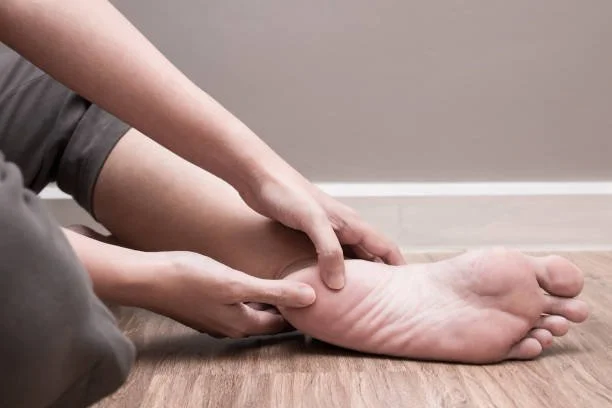
What Does Plantar Heel Pain Feel Like?
Here are the classic features:
Sharp pain under the heel first thing in the morning or after rest.
Pain that eases a little as you move more, but can return after long standing or activity.
Feels worse when walking on hard surfaces or after a long day on your feet — a theme that we see especially during the summer when people are walking more and enjoying beach days or social outings.
This pattern helps distinguish plantar heel pain from other causes of foot discomfort.
Why It Flares Up in Summer (and Anytime You’re Walking More)
Seasonal changes in activity can trigger or worsen symptoms.
Longer days = more steps.
Going barefoot or wearing flat sandals/thongs provides less arch support which can overload the plantar fascia.
Walking on sand or uneven ground increases work for your foot muscles and tissues.
If your feet are used to supportive shoes in cooler months and suddenly you’re in slides all day — your fascia can get overwhelmed.
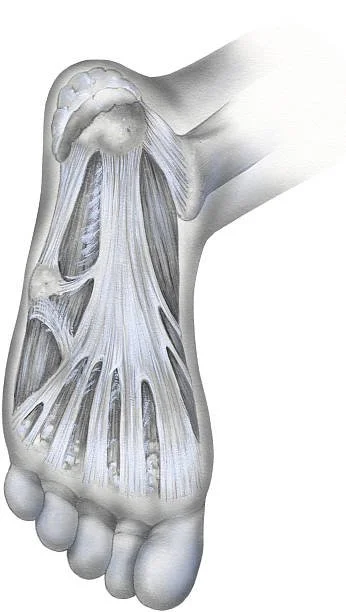
What Actually Causes Plantar Heel Pain?
A mix of mechanical stress and tissue irritation. Common contributing factors include:
Tight calf muscles or Achilles tendon (pulling on the fascia)
Foot mechanics (flat feet, high arches, uneven weight distribution)
Sudden increases in walking/running
Long periods standing or walking barefoot
Overuse in sport or daily life
Inadequate footwear support
Unlike its name suggests, plantar fasciitis isn’t always a classic inflammatory injury; often it’s a degenerative irritation from repeated stress.
Immediate Things You Can Do (Today)
1. Reduce Load
If walking hurts, give your fascia a break — not forever, but long enough to calm symptoms. Tracking your steps and keeping within a pain-free limit can help.
2. Ice Therapy
Rolling a frozen water bottle under your foot or applying ice for 10–20 minutes can soothe pain and reduce swelling.
3. Supportive Footwear
Choose shoes with good arch support and cushioning — particularly if you’ve spent winter in firm, supportive shoes and suddenly switch to flats.
4. Taping or Orthotics
Elastic or athletic taping can help offload strain from your fascia; inexpensive over-the-counter arch inserts can also assist while you recover.
Stretching & Foot Prep — Key to Recovery
Doing stretches before you get going with your day can make your morning pain less intense:
Try these gentle routines:
Calf Stretch
Stand facing a wall.
Step one foot back with heel down.
Lean forward until you feel a stretch in the back calf.
Hold for 20–30 seconds.
Plantar Fascia Stretch
Sit with one leg crossed.
Pull your toes gently toward your shin.
Hold and repeat.
Plantar Release
Roll a ball or cold bottle under your arch.
Best in the morning or after activity to reduce tension.
These help improve flexibility and tolerance of the fascia and related muscles.
When to Seek Professional Help

If pain is persistent for more than 2 - 4 weeks, becomes severe, or doesn’t improve with basic self-care, we recommend you see a physiotherapist.
Our physios will:
Confirm the diagnosis
Assess your foot for underlying causes
Provide immediate pain relief through reducing tension in your calf and foot muscles
Provide taping to offload your plantar fascia
Guide you in a tailored strengthening/stretching plan.
Final Takeaway
Plantar heel pain is common, treatable, and often responds well to early action.
It’s about balancing load, support, stretching, and knowing when to scale activity. By listening to your body — especially those first steps in the morning — and giving your fascia regular care, you can manage pain and get back to enjoying your day (and your summer walks) pain-free.
If you need help with your heel pain, book a free phone consultation to see how we can help today.